Water, Sanitation & Hygiene (WASH): Complete CSR Implementation Guide for Clean Water, Sanitation Infrastructure & Hygiene Programs
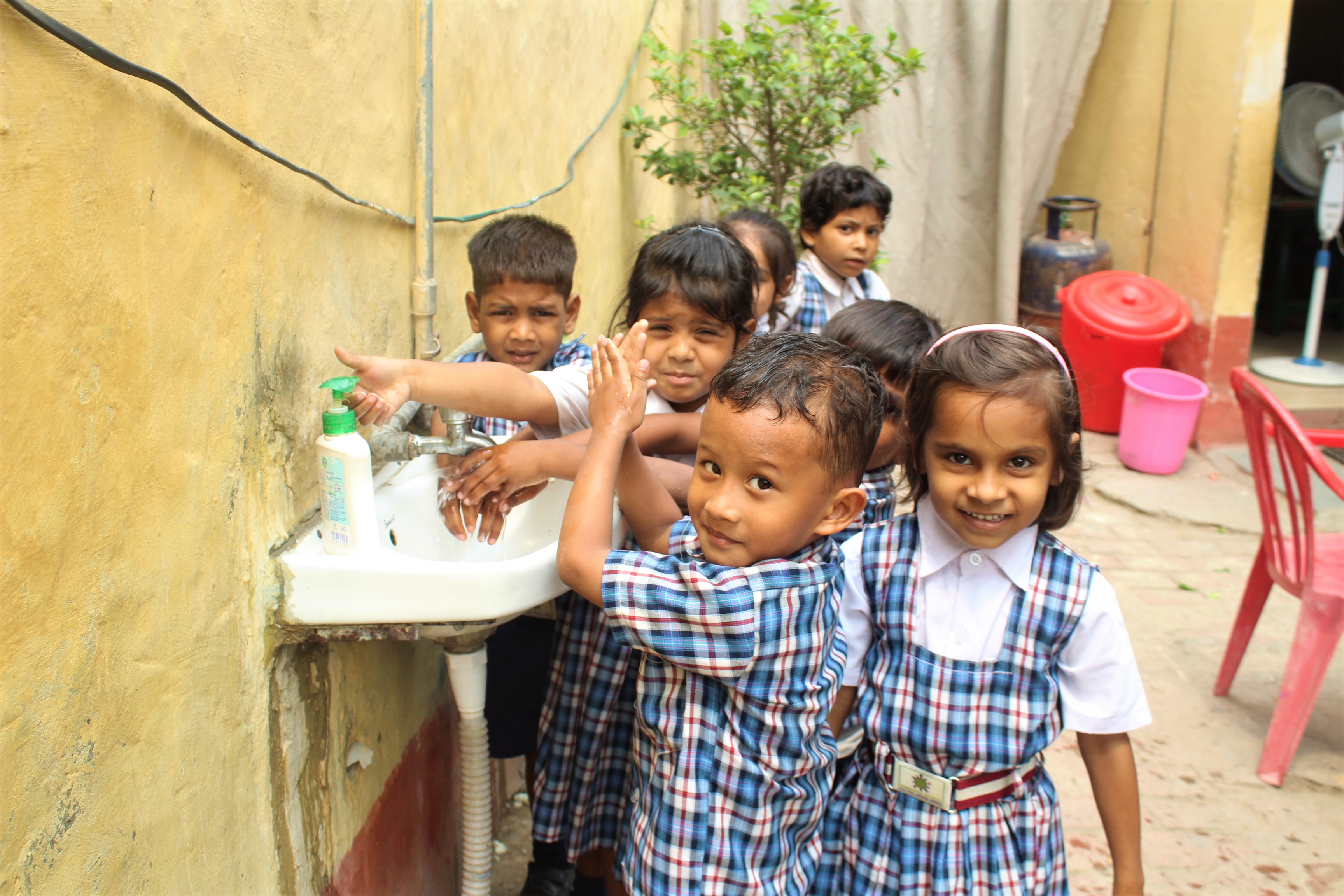
Clean Water. Safe Sanitation. Healthy Lives. Partner with Responsenet for impactful WASH programs aligned with SDG 6 and Schedule VII.
📧 Email: [email protected] | 📞 Call: +91 9910737524 / 9810007524
Water, Sanitation, and Hygiene (WASH) is fundamental to human health, dignity, and development. As one of the key Sustainable Development Goals (SDG 6), WASH directly impacts child survival, education outcomes, women's empowerment, and economic productivity. India has made remarkable progress—with 81.57% of rural households now having tap water connections under the Jal Jeevan Mission—yet significant gaps remain that require corporate intervention.
WASH interventions are explicitly covered under Schedule VII of the Companies Act 2013 as part of 'promoting health care including preventive health care and sanitation including contribution to Swachh Bharat Kosh' and 'making available safe drinking water.' This comprehensive guide helps CSR managers implement high-impact WASH programs with perfect regulatory compliance.
India's WASH Progress: Key Statistics (2025)
| Metric | Value |
|---|---|
| Rural Households with Tap Water | 15.79 Crore (81.57% coverage under JJM) |
| Toilets Built Under SBM | 100 Million+ (Rural households 2014-2019) |
| JJM Budget 2025-26 | ₹67,000 Crore (67% of Jal Shakti Ministry) |
| Daily Time Saved (WHO) | 5.5 Crore Hours (75% burden on women) |
Remaining WASH Challenges: Where CSR Investment is Critical
Water Access Gaps
- 18.43% of rural households still without tap water (3.5+ crore households)
- States like Jharkhand, Rajasthan, West Bengal have <50% coverage
- Water quality issues: arsenic and fluoride contamination in many regions
- Groundwater depletion threatening long-term source sustainability
- Women spend average 35 minutes daily collecting water (equivalent to 27 days' wages annually)
Sanitation Challenges
- 19% of households still practice open defecation (NFHS-5: 26% rural, 6% urban)
- Quality of toilets and waste management infrastructure needs improvement
- Faecal sludge and septage management (FSSM) remains inadequate
- Solid and liquid waste management in villages requires urgent attention
Hygiene Gaps
- Only 53% wash hands after defecation
- Only 38% wash hands before eating
- Only 30% wash hands before preparing meals
- Menstrual hygiene management remains a significant gap affecting girls' education
Government WASH Schemes: CSR Alignment Opportunities
- 💧 Jal Jeevan Mission (JJM): Providing 55 litres per capita per day tap water to every rural household. Extended to December 2028. 11 States/UTs achieved 100% coverage. CSR can support source sustainability, water quality monitoring, and community participation.
- 🚿 Swachh Bharat Mission Phase II: Focus on ODF Plus—maintaining ODF status and solid/liquid waste management (SLWM). Phase III moving to circular economy. CSR can fund infrastructure, IEC activities, and innovation in waste-to-wealth.
- 🌧️ Jal Shakti Abhiyan: Catch the Rain: Community-driven water conservation through rainwater harvesting, pond rejuvenation, and aquifer recharge. 2024 theme: 'Nari Shakti se Jal Shakti.' CSR can fund conservation structures and awareness campaigns.
- 🏫 WASH in Schools: Safe drinking water, quality toilets, hygiene education in schools and Anganwadis. 9.32 lakh schools and 9.69 lakh Anganwadis now have tap water. CSR can support infrastructure and behavior change.
Budget 2025-26 Highlights: JJM extended to December 2028. ₹67,000 Cr for JJM (67% of Jal Shakti Ministry budget). ₹7,192 Cr for SBM-Grameen. Central outlay of ₹2.08 lakh crore approved for JJM.
WASH CSR Implementation Opportunities
Water Infrastructure & Access
- Community Water ATMs: Automated water dispensing with quality monitoring
- School RO Units: Safe drinking water in schools and Anganwadis
- Rainwater Harvesting: Rooftop and community-level harvesting structures
- Watershed Development: Check dams, farm ponds, recharge structures
- Water Quality Testing Labs: Supporting the 2,843 labs testing water samples nationally
Sanitation Infrastructure
- Individual Household Latrines (IHHL): Twin-pit technology for safe sludge management
- Community & Public Toilets: In markets, public places, and community centers
- School Sanitation: Separate toilets for boys and girls, handwashing stations
- FSSM Solutions: Faecal sludge treatment plants and safe disposal
- Waste Management: Solid and liquid waste management in villages
Hygiene & Behavior Change
- Handwashing Programs: Group handwashing units, awareness campaigns
- Menstrual Hygiene Management: Pad vending machines, incinerators, education for adolescent girls
- IEC Activities: Information, Education, Communication for behavior change
- Women's Training: Training women to use Field Test Kits for water quality (24.80 lakh trained under JJM)
Responsenet's WASH Implementation Approach
Responsenet diligently addresses WASH issues at multiple levels—infrastructure, geography, discrimination, education, and awareness. We create solutions that are locally optimal and cost-effective, aligned with Ministry of Jal Shakti guidelines.
- 🏫 WASH in Schools: Safe drinking water, quality toilets, hygiene education, and handwashing facilities in schools. Result: Improved school attendance and student retention.
- 👩 Menstrual Hygiene Programs: Peer education model for adolescent girls on menstrual hygiene and sanitation. Result: Reduced dropout rates among female students.
- 💧 Water Conservation: Community water ATMs, rainwater harvesting units, watershed management—emphasizing water conservation per Ministry of Jal Shakti guidelines.
- 🤝 Community Engagement: Collaboration with corporates, governments, and communities to improve water quality, encourage safe waste disposal, and promote hygiene adoption.
Proven Impact - JICA 'Achhi Aadat' Campaign: Responsenet in collaboration with JICA impacted 37,349 individuals directly and 149,396 indirectly through 463+ hygiene and sanitation interventions across Coimbatore, Pollachi (Tamil Nadu) and Giridih, Hazaribagh (Jharkhand). Social media campaign reached 8.7 lakh impressions.
Frequently Asked Questions (FAQ)
Q1: Is WASH a valid CSR activity under Indian law?
Yes, absolutely. Schedule VII of the Companies Act 2013 explicitly covers WASH under: (1) 'Promoting health care including preventive health care and sanitation including contribution to Swachh Bharat Kosh set up by the Central Government for the promotion of sanitation,' and (2) 'Making available safe drinking water.' This covers water supply infrastructure, toilet construction, hygiene programs, rainwater harvesting, water conservation, sanitation awareness, and menstrual hygiene management.
Q2: What is Jal Jeevan Mission and what progress has it achieved?
Jal Jeevan Mission (JJM), launched August 15, 2019, aims to provide 55 litres per capita per day of tap water to every rural household. As of December 2024, 15.79 crore households (81.57%) have tap water connections—up from just 3.23 crore (17%) in 2019. 11 States/UTs have achieved 100% coverage. JJM has been extended to December 2028 with ₹2.08 lakh crore central outlay. WHO estimates JJM will save 5.5 crore hours daily (primarily for women) and prevent 400,000 diarrhoeal deaths. CSR can complement JJM through source sustainability, water quality monitoring, and community capacity building.
Q3: What is SBM Phase II and Phase III?
Swachh Bharat Mission (SBM) Phase I (2014-2019) built 100+ million toilets and declared all villages ODF. Phase II (2020-2025) focuses on ODF Plus—maintaining ODF status while implementing Solid and Liquid Waste Management (SLWM). Phase III is targeting 'waste-to-wealth' through circular economy principles and climate resilience. The ₹1.4 lakh crore Phase II allocation emphasizes sustainability and business models for sanitation. CSR can fund infrastructure, innovation in waste management, IEC activities, and community-based sanitation models.
Q4: What is SDG 6 and why is it important?
SDG 6 (Ensure availability and sustainable management of water and sanitation for all) is critical because it impacts multiple other SDGs—including health (SDG 3), education (SDG 4), gender equality (SDG 5), and climate action (SDG 13). Target 6.1 focuses on universal access to safe drinking water; Target 6.2 on adequate sanitation and hygiene. India was among countries with highest open defecation rates (50% in 2014) but has made dramatic progress. However, safely managed water access remains below universal levels, making continued CSR investment essential.
Q5: How does WASH impact child health and education?
WASH directly impacts child survival and development. Diarrhoeal diseases (preventable through WASH) are a leading cause of child mortality. Nobel laureate Michael Kremer's research suggests safe water coverage could reduce under-five mortality by almost 30%. For education, school attendance in India decreases 22% in drought-affected states when children must collect water. WASH facilities in schools—safe water, toilets, handwashing—improve attendance and retention. Menstrual hygiene management prevents girls from missing school, reducing dropout rates.
Q6: What are water quality issues and how can CSR address them?
Chemical contamination includes arsenic and fluoride (natural) and nitrate (anthropogenic) affecting groundwater in many regions. Under JJM, 2,843 laboratories test water samples, and 24.80 lakh women have been trained to use Field Test Kits (FTKs) for village-level monitoring. CSR can support: establishing water testing labs, training community members on water quality monitoring, implementing treatment solutions (RO units, iron removal plants), source protection, and creating awareness about water quality parameters.
Q7: What is the role of women in water management?
Women bear 75% of the burden of water collection—spending average 35 minutes daily (equivalent to 27 days' wages annually). JJM mandates 50% women representation in Village Water & Sanitation Committees (Paani Samitis). The 2024 Jal Shakti Abhiyan theme was 'Nari Shakti se Jal Shakti' (Women Power to Water Power). Five women per village are trained in water quality testing using FTKs. CSR programs should prioritize women's participation in planning, implementation, and management of water systems—recognizing that women-led committees have higher bill collection rates and better sustainability.
Q8: Can CSR fund rainwater harvesting and watershed development?
Yes. Water conservation including rainwater harvesting is explicitly covered under Schedule VII. CSR can fund: rooftop rainwater harvesting in schools, community buildings, and households; check dams and farm ponds; recharge structures for aquifer replenishment; pond desilting and rejuvenation; watershed management for source sustainability. The Jal Shakti Abhiyan: Catch the Rain campaign provides a framework for community-driven water conservation. Many corporates (Titan JalAadhar, Tata Jalodari) have successful watershed programs that CSR can replicate.
Q9: What is menstrual hygiene management and how can CSR support it?
Menstrual Hygiene Management (MHM) addresses a critical gap affecting girls' education and women's health. Lack of facilities and awareness leads to school absenteeism and health issues. CSR MHM programs include: pad vending machines in schools and public places, incinerators for safe disposal, awareness workshops for adolescent girls (like Responsenet's AON Pro Bono program), peer education models, and provision of sanitary products. WHO reports show 70 countries have widespread MHM gaps across all income levels, making this a global priority.
Q10: What is the economic impact of WASH interventions?
WASH has massive economic returns. WHO estimates JJM could prevent 400,000 diarrhoeal deaths and 14 million Disability Adjusted Life Years (DALYs), with cost savings of up to $101 billion. JJM generates employment: IIM Bangalore study shows 2.8 crore person-years in construction phase and 11.8 lakh person-years annually for operation & maintenance. Water collection time saved (5.5 crore hours daily) translates to economic productivity gains, especially for women. Studies show lack of sanitation costs India billions in healthcare, productivity loss, and tourism impact.
Q11: What is WASH in schools and Anganwadis?
WASH in schools focuses on providing safe drinking water, adequate toilets (separate for boys and girls), handwashing facilities, and hygiene education. Under JJM, 9.32 lakh schools and 9.69 lakh Anganwadi centers now have tap water supply. CSR WASH in schools programs include: RO units for safe water, construction/renovation of toilets, group handwashing units, hygiene education integration into curriculum, menstrual hygiene facilities, and teacher training. Impact: improved attendance, reduced illness, better learning outcomes, and reduced dropout rates.
Q12: What is ODF Plus and how can CSR contribute?
ODF Plus means sustaining Open Defecation Free status while implementing comprehensive solid and liquid waste management. SBM Phase II focuses on: maintaining toilet usage (behavioral sustainability), retrofitting single-pit to twin-pit toilets for safe sludge management, greywater treatment and management, solid waste collection and processing, and village cleanliness. CSR can support: ODF Plus infrastructure, community monitoring systems, waste-to-compost/biogas projects, drainage and wastewater treatment, and IEC activities for sustained behavior change.
Q13: How do you measure WASH CSR impact?
WASH impact measurement should track: households/individuals with improved water access, water quality parameters (bacteriological, chemical), toilet construction and usage rates, handwashing behavior (before eating, after defecation), disease incidence (diarrhoea, waterborne diseases), school attendance (especially girls), time saved in water collection, women's participation in water committees, and sustainability of infrastructure. Responsenet provides comprehensive baseline and endline assessments, compliance documentation, and board-ready impact reports aligned with statutory requirements.
Q14: Which states need priority WASH CSR investment?
States with <50% JJM tap water coverage include Jharkhand, Rajasthan, and West Bengal—needing priority water infrastructure investment. States with high open defecation (per NFHS-5) need sanitation focus. Tribal districts have lower WASH indicators requiring targeted interventions. States with water quality issues (arsenic: West Bengal, Bihar; fluoride: Rajasthan, Gujarat) need treatment solutions. Drought-prone regions need water conservation and source sustainability focus. Urban slums represent the 'missing' population often left out of government schemes.
Q15: How does Responsenet implement WASH CSR programs?
Responsenet provides end-to-end WASH implementation: needs assessment and baseline studies, program design aligned with Schedule VII, JJM, and SBM guidelines, water infrastructure (community ATMs, school RO units, rainwater harvesting), sanitation facilities (toilets, waste management), hygiene promotion and IEC activities, menstrual hygiene programs for adolescent girls, community mobilization and capacity building, women's training for water quality monitoring, monitoring, evaluation, and CSR compliance reporting, and impact assessment. We work across 24 states and UT creating locally optimal, cost-effective solutions.
Transform Lives Through WASH CSR
Clean water and sanitation are fundamental human rights. Partner with Responsenet to implement WASH programs aligned with SDG 6, Jal Jeevan Mission, and Swachh Bharat Mission—creating lasting impact in underserved communities.
Partner for Impactful WASH CSR
Every Drop Counts. Every Toilet Matters. Every Life Transformed. Responsenet offers end-to-end WASH implementation—water infrastructure, sanitation, hygiene programs—aligned with Jal Jeevan Mission and Swachh Bharat.
📧 Email Now: [email protected]
📞 Call Now: +91 9910737524 / 9810007524
Clean Water | Safe Sanitation | Healthy Lives | SDG 6