Quality Healthcare in India: Complete CSR Implementation Guide for Preventive Care, Community Health & Medical Infrastructure (2025)
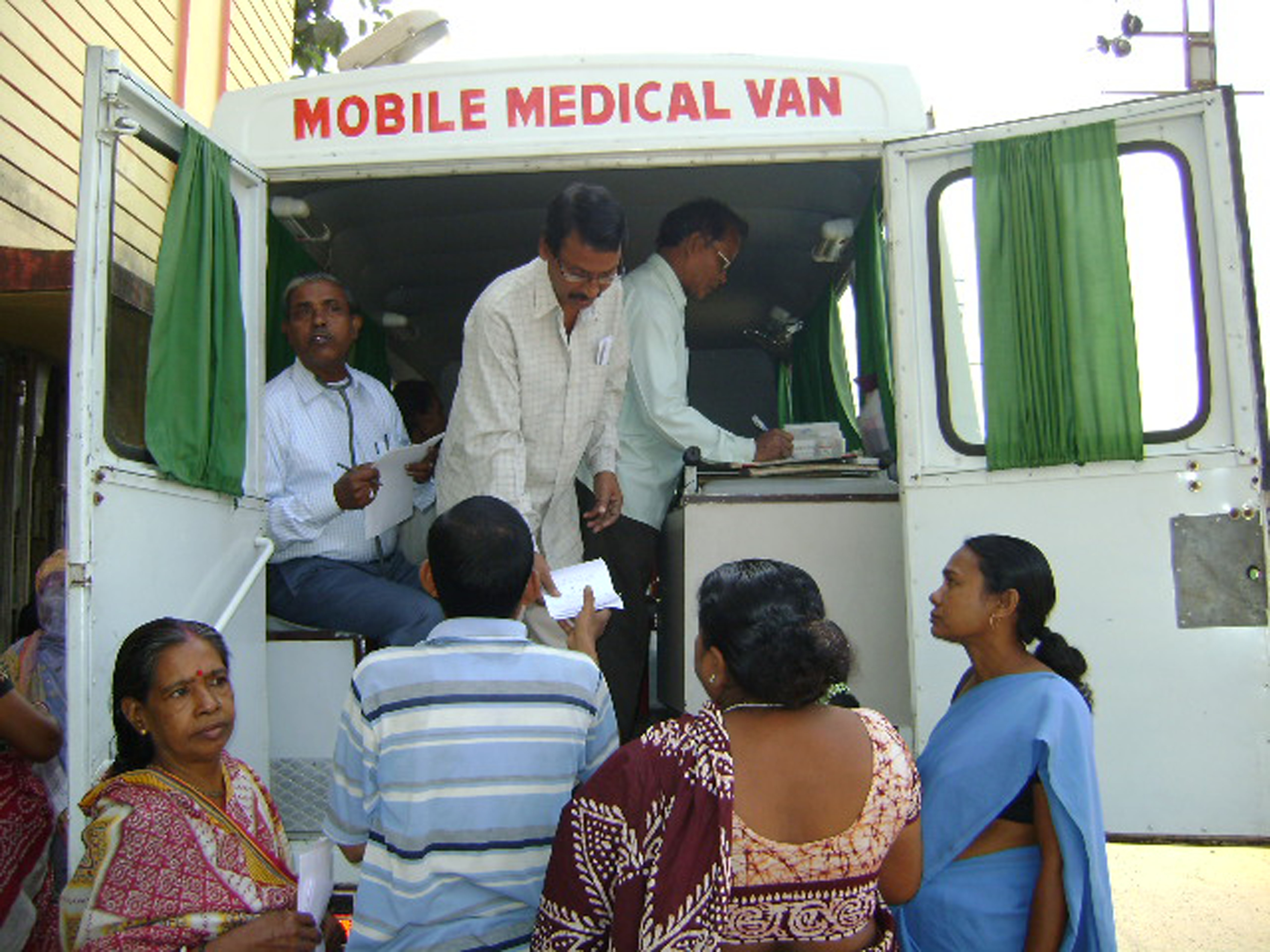
Better to Predict & Prevent Rather Than Repair & Repent! Partner with Responsenet for impactful healthcare CSR programs across India.
📧 Email: [email protected] | 📞 Call: +91 9810007524
Healthcare is the thread that connects all life choices. With India's healthcare sector valued at US$400 billion in 2024 and projected to reach US$638 billion by 2025, the opportunity for corporate intervention is immense. Yet, significant gaps remain—30% of India's population (40 crore people) lack health insurance, and 70% of healthcare services are delivered by private providers, leaving rural and underprivileged communities underserved.
Healthcare receives approximately 27% of total CSR funds (~₹9,500 crore annually), making it the second-largest CSR sector after education. Eradicating hunger, poverty, malnutrition, and promoting healthcare is the first item in Schedule VII of the Companies Act 2013—highlighting its priority status for CSR investment.
India's Healthcare Landscape: Key Statistics (2025)
| Metric | Value |
|---|---|
| Healthcare Market by 2025 | US$638 Billion |
| People Without Health Insurance | 40 Crore |
| Doctor-Patient Ratio (2025) | 1:811 (better than WHO 1:1000) |
| Union Budget 2025-26 | ₹99,858 Crore (+9.78% from FY25) |
India's Healthcare Challenges: Where CSR Can Make a Difference
Infrastructure Gaps
- India needs 3 million additional hospital beds to achieve 3 beds per 1,000 people
- Current bed-to-population ratio: 1.3 beds per 1,000 (deficit of 1.7 beds)
- 70% shortage of specialist doctors in rural areas
- 74% of doctors are in urban areas, leaving rural populations underserved
- Uttar Pradesh has only one PHC for every 28 villages
Financial Barriers
- 50% of healthcare expenditure is Out-of-Pocket (OOPE)
- 350 million 'missing middle' lack health insurance coverage
- Public health spending: only 1.9% of GDP (FY26 projection)
- Healthcare costs are a leading cause of bankruptcy in India
Health Indicators
| Indicator | India | Global/Target |
|---|---|---|
| Life Expectancy at Birth | 67.2 years | 72.8 years (global) |
| Infant Mortality Rate | 28/1,000 | 17/1,000 (global) |
| Maternal Mortality Ratio | 97/100,000 | 70/100,000 (SDG target) |
| Nurses per 1,000 people | 1.7 | 3.0 (WHO recommended) |
| Human Development Index Rank | 132/191 | Below global average |
Healthcare CSR Opportunities Under Schedule VII
Schedule VII explicitly covers 'eradicating hunger, poverty and malnutrition, promoting health care including preventive health care and sanitation including contribution to Swachh Bharat Kosh and making available safe drinking water.' Here's how corporates can invest:
- 🏥 Primary Healthcare Centers: Strengthen PHCs and sub-health centers with infrastructure, equipment, trained staff, and essential medicines in underserved areas.
- 🩺 Health Camps & Screenings: Organize community health camps for early detection of diseases, health checkups, eye camps, dental camps, and specialist consultations.
- 🤰 Maternal & Child Health: Antenatal checkups, institutional delivery support, immunization drives, growth monitoring, breastfeeding promotion, and nutrition programs.
- 💉 Vaccination & Immunization: Support vaccination drives for children and adults, including awareness campaigns to overcome vaccine hesitancy.
- 🚿 WASH & Sanitation: Safe drinking water, toilet construction, hygiene awareness, handwashing campaigns, menstrual hygiene management for adolescent girls.
- 📱 Digital Health & Telemedicine: Support telemedicine infrastructure, digital health records, mobile health clinics, and health-tech solutions for remote areas.
Responsenet's Approach to Holistic Healthcare
We believe that prevention is better than cure. Our healthcare interventions focus on primary and preventive care—addressing health issues at the earliest stage possible. We work with Primary Healthcare Centers, Sub-Healthcare Centers, and ASHA workers for comprehensive grassroots-level healthcare.
Preventive Healthcare Focus Areas
- Health Checkups: Community and school-level screenings for early detection
- Immunization: Vaccination drives and awareness to prevent 2-3 million deaths annually
- Nutrition Interventions: Deworming, fortified foods, Iron & Folic Acid supplementation
- Maternal Care: Antenatal checkups, institutional delivery, growth monitoring
- WASH Practices: Hygiene and sanitation aligned with POSHAN Abhiyaan and Swachh Bharat
- Health Awareness: IEC campaigns for disease prevention and healthy lifestyles
Responsenet's Healthcare Impact: Proven Programs
- 💉 COVID-19 Vaccination Drives: Partnered with AON for Diversity & Inclusivity vaccination drives serving transgender community, sex workers, and differently-abled. Addressed vaccine hesitancy and ensured equitable distribution.
- 👁️ Eye Care Camps: Community eye checkup camps with Netram Eye Foundation—trained ophthalmologists, latest machinery, ready-made spectacles, eye drops, and medicines for underprivileged populations.
- 🩸 Menstrual Hygiene Workshops: AON Pro Bono program disseminating knowledge about menstruation science, hygiene practices, and puberty changes for adolescent girls.
- 🧼 JICA 'Achhi Aadat' Campaign: Impacted 37,349 individuals directly, 149,396 indirectly through 463+ interventions in Tamil Nadu and Jharkhand. Social media reached 8.7 lakh impressions.
COVID Relief Impact: Partnered with Microsoft, AON, Indigo, Hilton, and Visible Alpha to impact 73,000+ lives with relief kits, vaccinations, and life-saving food kits.
Frequently Asked Questions (FAQ)
Q1: Is healthcare a valid CSR activity under Indian law?
Yes, absolutely. 'Promoting health care including preventive health care and sanitation' is explicitly listed under Schedule VII of the Companies Act 2013 as the first priority area alongside eradicating hunger, poverty, and malnutrition. This covers hospitals, health camps, preventive care, maternal-child health, vaccination drives, sanitation projects, safe drinking water, and contributions to Swachh Bharat Kosh.
Q2: How much CSR funding goes to healthcare in India?
Healthcare receives approximately 27% of total CSR funds—around ₹9,500 crore annually. Corporate healthcare CSR spending has grown from ₹8,400 crores in 2015 to over ₹22,000 crores in 2024, making it one of the largest non-government health financing sources. Combined with education (which includes nutrition programs), healthcare-related CSR exceeds ₹18,000 crore annually.
Q3: What is preventive healthcare and why is it important for CSR?
Preventive healthcare focuses on preventing diseases before they occur rather than treating them after onset. It includes vaccination, health screenings, nutrition programs, hygiene education, and early detection. Prevention is typically 10x more cost-effective than treatment. For CSR, preventive healthcare delivers higher ROI because it: prevents catastrophic health expenditure for families, reduces burden on healthcare system, addresses diseases at early treatable stages, and creates lasting community-level health improvements.
Q4: What are ASHA workers and how can CSR support them?
Accredited Social Health Activists (ASHA) are community health workers forming India's frontline healthcare backbone. There are ~10 lakh ASHA workers serving as the first point of contact for health issues in villages. They promote immunization, maternal care, sanitation, and nutrition awareness. CSR can support ASHA workers through: training and capacity building, equipment and supplies, incentives and recognition programs, digital tools and health kits, and transportation support. Strengthening ASHA workers creates multiplier effects across entire communities.
Q5: What is the 'missing middle' in healthcare?
The 'missing middle' refers to approximately 350-400 million Indians who are neither poor enough to qualify for government health schemes (like Ayushman Bharat which covers bottom 40%) nor rich enough to afford private insurance. These are typically informal sector workers, small business owners, and lower-middle-class families. High out-of-pocket expenditure (50% of healthcare spend) pushes them into poverty during health emergencies. CSR interventions targeting the missing middle—community health insurance, subsidized care, health camps—can have transformative impact.
Q6: Can CSR fund health camps and what should they include?
Yes, health camps are a highly effective CSR intervention. Comprehensive health camps should include: general health checkups and vital signs, eye screening and spectacle distribution, dental checkups and basic treatment, specialist consultations (gynecology, pediatrics, cardiology), diagnostic tests (blood sugar, blood pressure, hemoglobin), medicine distribution, health awareness sessions, and referral linkages for serious cases. Responsenet organizes community health camps with trained medical professionals, latest equipment, and follow-up support.
Q7: What is the role of telemedicine in healthcare CSR?
India's telemedicine market is expected to reach ₹47,130 crore (US$5.4 billion) by 2025. Telemedicine addresses the critical shortage of doctors in rural areas (70% specialist shortage). CSR can fund: telemedicine infrastructure in PHCs and community centers, digital health platforms and connectivity, training healthcare workers on tele-consultation, mobile health units with video-consultation facilities, and health kiosks in remote areas. This brings specialist care to underserved populations without requiring them to travel.
Q8: How does maternal and child health align with CSR priorities?
Maternal and child health (MCH) is a high-impact CSR area addressing India's infant mortality (28/1,000) and maternal mortality (97/100,000). CSR MCH programs include: antenatal checkups and institutional delivery support, immunization drives for children, nutrition interventions (Iron-Folic Acid, complementary feeding), growth monitoring and early intervention, breastfeeding promotion, and ASHA/ANM capacity building. The first 1,000 days (pregnancy to age 2) are critical—investments here have highest lifetime returns.
Q9: What WASH interventions can be funded through healthcare CSR?
Water, Sanitation, and Hygiene (WASH) is explicitly covered under Schedule VII. WASH interventions include: safe drinking water infrastructure (borewells, water purification, pipelines), toilet construction and maintenance, handwashing stations and hygiene promotion, menstrual hygiene management for adolescent girls, drainage and waste management, and school WASH programs. WASH directly impacts health outcomes—preventing diarrhea, typhoid, and waterborne diseases that disproportionately affect children.
Q10: How can companies measure healthcare CSR impact?
Healthcare CSR impact measurement should track: number of beneficiaries screened/treated, diseases detected and treated early, vaccination coverage rates, reduction in disease incidence, improvement in health indicators (anemia, nutrition), healthcare access improvements, out-of-pocket expenditure reduction, health awareness levels, and referral follow-up rates. Companies with ₹10 crore+ CSR obligation must conduct mandatory third-party impact assessment. Responsenet provides comprehensive M&E frameworks with baseline and endline assessments.
Q11: What is the doctor-patient ratio situation in India?
India's national doctor-to-patient ratio improved to 1:811 in 2025, better than WHO's 1:1000 recommendation. However, there are severe disparities: Goa has 1:353 while Mizoram has 1:2500. Urban areas have 74% of doctors while rural areas (with 65% of population) remain underserved. There's a 70% shortage of specialists in rural CHCs. Medical colleges grew from 499 (FY19) to 780 (FY25), with MBBS seats increasing from 70,012 to 118,137. CSR can address this by supporting rural health infrastructure, telemedicine, and incentives for rural postings.
Q12: Can CSR fund mental health programs?
Yes. Mental health is covered under healthcare in Schedule VII. India faces a massive mental health burden with only 0.3 psychiatrists per 100,000 population (vs WHO recommendation of 3 per 100,000). CSR mental health programs can include: awareness campaigns to reduce stigma, counseling services in communities and workplaces, training of community mental health workers, support for psychiatric treatment access, and mental wellness programs for vulnerable groups (adolescents, women, elderly). Post-COVID, mental health has become a priority CSR area.
Q13: What is Ayushman Bharat and how can CSR complement it?
Ayushman Bharat Pradhan Mantri Jan Arogya Yojana (PM-JAY) provides health insurance of ₹5 lakh per family to bottom 40% of population (~50 crore beneficiaries). Budget 2025-26 allocated ₹7,500 crore for PM-JAY. CSR can complement Ayushman Bharat by: reaching the 'missing middle' not covered by PM-JAY, supporting healthcare infrastructure where Ayushman beneficiaries seek treatment, funding preventive care that reduces hospitalization needs, training healthcare workers to deliver quality care, and creating awareness about scheme benefits and enrollment.
Q14: What are the key government health schemes that CSR can support?
Key schemes where CSR can complement government efforts include: Ayushman Bharat (health insurance and Health & Wellness Centers), POSHAN Abhiyaan (nutrition for women and children), National Health Mission (rural and urban health), Swachh Bharat Mission (sanitation), Mission Indradhanush (immunization), PM Matru Vandana Yojana (maternity benefits), Janani Suraksha Yojana (institutional delivery), and Anemia Mukt Bharat (anemia elimination). CSR fills implementation gaps and extends reach beyond government capacity.
Q15: How does Responsenet implement healthcare CSR programs?
Responsenet provides end-to-end healthcare CSR implementation including: needs assessment and baseline studies, program design aligned with Schedule VII and SDG 3, community health camps and screening programs, maternal and child health interventions, WASH and sanitation projects, ASHA worker training and support, vaccination and immunization drives, health awareness campaigns (IEC), monitoring, evaluation, and CSR compliance reporting, and impact assessment. We work with PHCs, sub-health centers, and community-based organizations across 22+ states.
Nation's Frontline Heroes: Supporting ASHA Workers
ASHA (Accredited Social Health Activists) workers are the backbone of India's community health system. These frontline workers:
- Create awareness on health determinants—WASH, nutrition, existing services
- Counsel women on birth preparedness, safe delivery, breastfeeding, immunization
- Mobilize communities to access health services at PHCs and sub-centers
- Provide early childhood care and development support
- Enable decentralized village-level health planning and management
Transform Healthcare Through Your CSR
Investing in health infrastructure fosters transformational change—from hospital-centered care to community-based prevention. Partner with Responsenet for impactful, measurable healthcare programs.
Partner for Impactful Healthcare CSR
Better to Predict & Prevent. Make Healthcare Accessible to All. Responsenet offers end-to-end healthcare CSR implementation—health camps, maternal & child health, WASH, ASHA training, and Schedule VII compliance.
📧 Email Now: [email protected]
📞 Call Now: +91 9810007524 | 9910737524
Quality Healthcare for All | Prevention First | SDG 3