CSR Impact Assessment in India: A Complete Guide to MCA Compliance, SROI Analysis & Social Audits
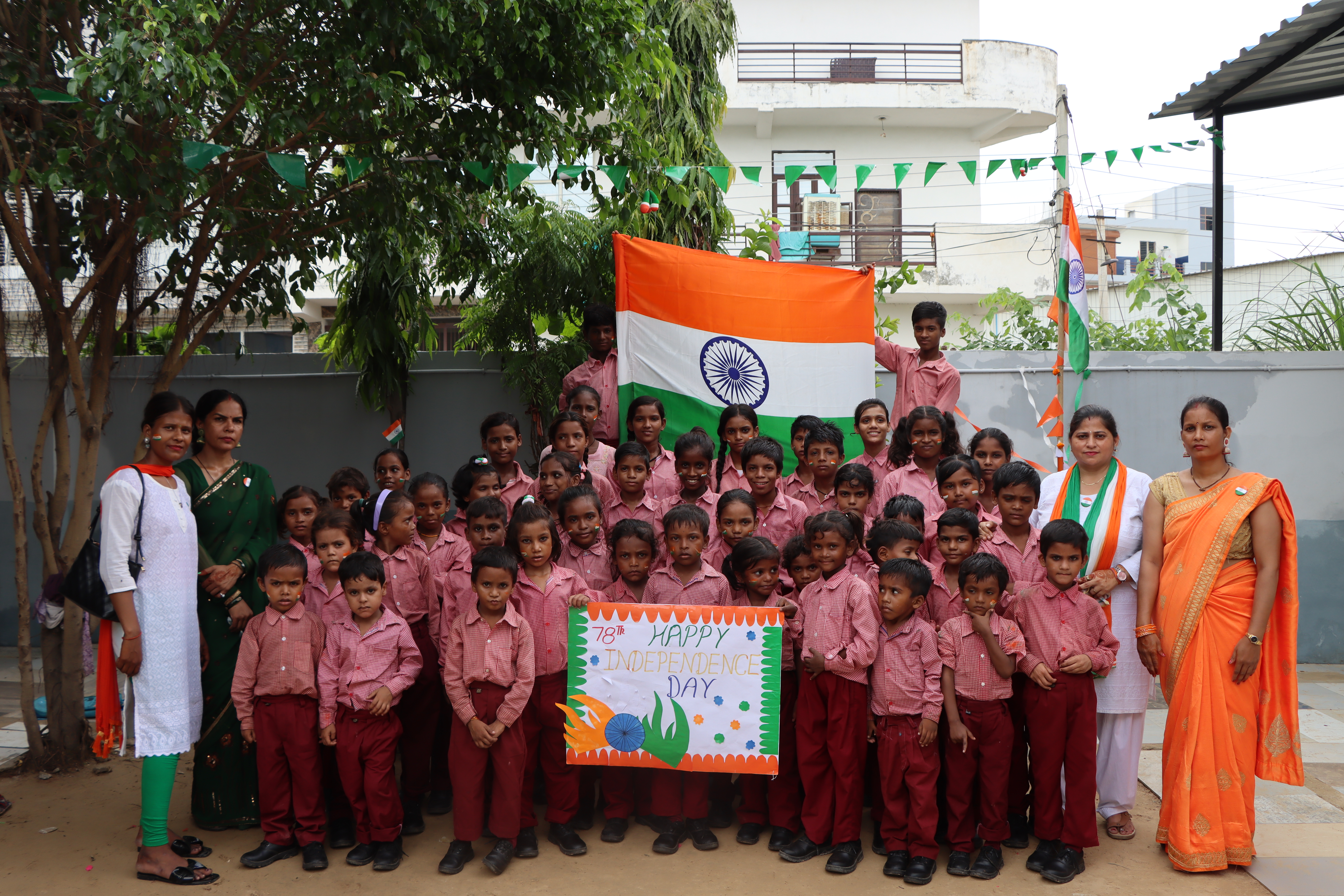
India's Corporate Social Responsibility (CSR) landscape has undergone a dramatic transformation since the enactment of Section 135 of the Companies Act 2013. What began as a compliance mandate has evolved into a sophisticated ecosystem of strategic social investment, with Indian corporations contributing over ₹1.53 lakh crore to social development between 2014 and 2022.
However, with the 2021 amendments introducing mandatory impact assessment requirements, many companies now face a critical challenge: how do you measure and demonstrate genuine social impact while meeting MCA compliance requirements?
This comprehensive guide covers everything you need to know about CSR impact assessment in India—from regulatory requirements and SROI methodology to practical implementation strategies and future trends.
India's CSR Landscape: Key Statistics
| Metric | Value |
|---|---|
| Total CSR spending (2014-2022) | ₹1.53 Lakh Crore |
| CSR expenditure in FY 2023-24 | ₹29,987 Crore |
| CSR projects implemented in FY 2023 | 51,966 Projects |
| Average social return on investment | 3.2:1 SROI Ratio |
The private sector contributes 84% of total CSR spending, with education (44%), healthcare (29%), and environment (10%) being the dominant focus areas.
Understanding MCA CSR Compliance Requirements
The Ministry of Corporate Affairs (MCA) has established clear guidelines for CSR compliance under Section 135 of the Companies Act 2013. The 2021 amendments significantly strengthened the impact assessment mandate.
Who Must Conduct Mandatory Impact Assessment?
Under Rule 8(3) of the Companies (CSR Policy) Rules, 2014 (as amended), impact assessment is mandatory for companies meeting these criteria:
- Average CSR obligation of ₹10 crore or more in the three immediately preceding financial years
- CSR projects with outlay of ₹1 crore or more that have been completed not less than one year before undertaking the impact study
- Assessment must be conducted by an independent agency (third-party assessment is mandatory)
- Assessment expenditure capped at 5% of total CSR spend or ₹50 lakh (whichever is lower)
Schedule VII: Eligible CSR Activities
CSR expenditure must align with activities specified in Schedule VII of the Companies Act. Key areas include:
- Eradicating hunger, poverty, and malnutrition
- Promoting education, vocational skills, and livelihood enhancement
- Healthcare including preventive healthcare and sanitation
- Environmental sustainability and ecological balance
- Protection of national heritage, art, and culture
- Armed forces veterans and war widows welfare
- Rural development projects
- Disaster management and relief
Social Return on Investment (SROI): Measuring True Impact
SROI is a framework for measuring and accounting for the broader value created by CSR initiatives—social, environmental, and economic outcomes expressed in monetary terms. Unlike traditional financial ROI, SROI captures the holistic impact of social investments on beneficiaries and communities.
The SROI Formula
SROI Ratio = Total Social Value Created ÷ Total Investment
Example: An SROI of 3.2:1 means every ₹1 invested generates ₹3.20 in measurable social value.
SROI Analysis Process
- Stakeholder Engagement: Identify and involve all stakeholders affected by the CSR initiative
- Theory of Change Mapping: Document inputs, activities, outputs, outcomes, and long-term impact
- Outcome Identification: Determine what changes occurred and for whom
- Outcome Valuation: Assign monetary proxies to social outcomes using established methodologies
- Impact Calculation: Calculate net impact after accounting for deadweight, attribution, and displacement
- Verification & Reporting: Validate findings with stakeholders and prepare comprehensive reports
Sector-wise SROI Performance in India
| Sector | Investment | SROI | Social Value |
|---|---|---|---|
| Women Empowerment | ₹1,499 Cr | 4.3:1 | ₹6,446 Cr |
| Education | ₹13,209 Cr | 4.1:1 | ₹54,157 Cr |
| Healthcare | ₹8,739 Cr | 3.8:1 | ₹33,208 Cr |
| Rural Development | ₹2,005 Cr | 3.5:1 | ₹7,018 Cr |
| Environment | ₹2,921 Cr | 2.9:1 | ₹8,471 Cr |
Impact Assessment Frameworks & Methodologies
Professional impact assessment relies on established frameworks that ensure rigor, credibility, and comparability of results.
ICAI Social Audit Standards
The Institute of Chartered Accountants of India (ICAI) has developed 16 thematic area guidelines covering comprehensive impact assessment procedures for CSR projects. These standards provide sector-specific evaluation criteria for education, healthcare, environment, rural development, and other Schedule VII activities.
OECD DAC Framework
The internationally recognized OECD Development Assistance Committee (DAC) framework evaluates interventions across six criteria: relevance, coherence, effectiveness, efficiency, impact, and sustainability. This framework is particularly valuable for projects seeking global comparability.
Theory of Change Model
The Theory of Change (ToC) approach maps the logical pathway from inputs and activities through outputs and outcomes to long-term impact. This framework is essential for designing M&E systems and demonstrating causal relationships between CSR interventions and observed changes.
Common Challenges in CSR Impact Assessment
Organizations face several obstacles when implementing impact assessment systems:
- Funding Constraints: 62% of organizations report insufficient M&E budgets
- Intangible Outcomes: 47% struggle with measuring behavioral change and social transformation
- Technical Limitations: 37% lack access to appropriate assessment tools and frameworks
- Data Management: 72% lack structured data management and impact tracking systems
- Capacity Gaps: Limited internal expertise in evaluation methodology and SROI analysis
The Future of CSR Impact Assessment (2025-2030)
India's CSR ecosystem is projected to unlock ₹7.24 lakh crore in development capital over the next decade. Key trends shaping the future include:
- AI-Powered Assessment: Machine learning for pattern recognition, predictive analytics, and automated impact scoring
- Blockchain Transparency: Immutable impact records and smart contracts for milestone-based funding
- Real-time Monitoring: IoT sensors for environmental projects and mobile-based beneficiary feedback
- SDG Integration: Mandatory alignment with UN Sustainable Development Goals for projects above ₹5 crore
- Outcome-based Funding: 60% of large corporations expected to adopt results-based financing models
Frequently Asked Questions (FAQ)
Q1: What is CSR impact assessment and why is it important?
CSR impact assessment is a systematic evaluation of the social, environmental, and economic outcomes generated by corporate social responsibility initiatives. It goes beyond tracking outputs (like number of beneficiaries) to measure actual changes in people's lives. Impact assessment is important because it helps companies understand whether their CSR investments are creating meaningful change, enables data-driven decision making for future projects, satisfies regulatory requirements under MCA guidelines, and builds credibility with stakeholders through transparent reporting.
Q2: Is CSR impact assessment mandatory under Indian law?
Yes, for qualifying companies. Under Rule 8(3) of the Companies (CSR Policy) Rules, 2014 (as amended in 2021), impact assessment is mandatory for companies with an average CSR obligation of ₹10 crore or more over the preceding three years. The assessment must be conducted by an independent third-party agency for projects with outlays of ₹1 crore or more that have been completed for at least one year. The impact assessment report must be annexed to the annual CSR report filed with the MCA.
Q3: What is SROI and how is it calculated?
SROI (Social Return on Investment) is a framework that measures the social, environmental, and economic value created by an intervention relative to the resources invested. It is calculated by dividing the total social value created by the total investment. For example, an SROI ratio of 3.2:1 means that every ₹1 invested generates ₹3.20 in social value. The calculation involves identifying stakeholders, mapping outcomes, assigning monetary proxies to social changes, and accounting for factors like deadweight (what would have happened anyway) and attribution (what portion of change is due to the intervention).
Q4: How much can a company spend on CSR impact assessment?
As per MCA guidelines, companies can allocate a maximum of 5% of their total CSR expenditure or ₹50 lakh (whichever is lower) towards impact assessment. This budget covers the cost of engaging independent assessment agencies, conducting surveys and field studies, data analysis, and report preparation. Companies should plan their assessment budget as part of their annual CSR planning cycle.
Q5: What is the difference between monitoring, evaluation, and impact assessment?
Monitoring is the ongoing tracking of project activities, outputs, and immediate results during implementation. Evaluation examines the relevance, efficiency, and effectiveness of a project, typically conducted at midline or endline. Impact assessment specifically measures the long-term, sustainable changes in beneficiaries' lives that can be attributed to the intervention, often conducted 1-3 years after project completion. While monitoring asks "are we doing things right?" and evaluation asks "are we doing the right things?", impact assessment asks "what difference did we actually make?"
Q6: Who can conduct CSR impact assessment?
For mandatory impact assessments under MCA rules, the assessment must be conducted by an independent third-party agency. This can include registered social audit firms, development consultancies, research organizations, or certified impact assessment agencies. The assessor should have relevant expertise in the sector being evaluated, established methodological frameworks, and no conflict of interest with the implementing organization. Companies should verify the credentials, track record, and methodological approach of potential assessors before engagement.
Q7: What are ICAI Social Audit Standards?
The Institute of Chartered Accountants of India (ICAI) has developed Social Audit Standards (SAS) providing comprehensive guidelines for auditing and assessing social sector organizations and CSR projects. These standards cover 16 thematic areas aligned with Schedule VII activities, including education, healthcare, environment, rural development, and more. ICAI standards ensure methodological rigor, professional conduct, and standardized reporting formats. Organizations conducting CSR impact assessments are expected to align their methodologies with these standards for credibility and compliance.
Q8: What is Schedule VII of the Companies Act?
Schedule VII of the Companies Act 2013 specifies the activities that qualify as legitimate CSR expenditure. These include eradicating hunger and poverty, promoting education and vocational skills, healthcare and sanitation, environmental sustainability, protection of national heritage, armed forces welfare, rural development, slum area development, disaster management, and contributions to government relief funds. CSR projects must align with Schedule VII activities to qualify for compliance. Impact assessments evaluate how effectively projects have achieved outcomes within these designated areas.
Q9: How long does a CSR impact assessment take?
The timeline varies based on project complexity, geographic spread, and methodology. A typical comprehensive impact assessment takes 8-12 weeks, including desk review and methodology design (2-3 weeks), field data collection (3-4 weeks), data analysis and SROI calculation (2-3 weeks), and report preparation and stakeholder validation (2 weeks). Larger multi-state projects or those requiring extensive primary data collection may take longer. Companies should initiate impact assessments well in advance of their annual reporting deadlines.
Q10: What happens if a company doesn't conduct mandatory impact assessment?
Non-compliance with mandatory impact assessment requirements can result in several consequences. The company may face scrutiny from the Registrar of Companies and MCA during compliance reviews. Directors may be held liable for non-compliance with CSR provisions. The company's CSR report will be incomplete, affecting its statutory filings. Additionally, stakeholders, investors, and rating agencies increasingly factor CSR compliance into their assessments, potentially affecting the company's reputation, ESG ratings, and access to sustainable finance.
Q11: Can CSR funds be used for impact assessment of ongoing projects?
Yes, impact assessment expenses are considered legitimate CSR expenditure under the rules. However, the 5% or ₹50 lakh cap applies. For ongoing projects, companies typically conduct baseline studies at project initiation, midline assessments during implementation, and endline impact assessments after completion. All these evaluation activities can be funded from the CSR budget. Companies should build M&E costs into their project budgets from the planning stage.
Q12: What is the role of the CSR Committee in impact assessment?
The CSR Committee, mandated under Section 135 for qualifying companies, plays a crucial oversight role in impact assessment. The committee is responsible for approving the impact assessment budget and agency selection, reviewing assessment methodologies and findings, ensuring assessment reports are annexed to annual CSR reports, using assessment insights for strategic CSR planning, and recommending improvements based on impact findings. Board-level engagement ensures impact assessment drives meaningful improvements in CSR effectiveness.
Q13: How do I choose the right impact assessment agency?
When selecting an impact assessment agency, consider their experience in your CSR focus sectors (education, healthcare, environment, etc.), methodological expertise including SROI, Theory of Change, and OECD DAC frameworks, alignment with ICAI Social Audit Standards, field presence in your project geographies, track record with similar assessments, technology capabilities for data collection and analysis, and references from previous clients. Request sample reports and methodology notes before finalizing. Ensure the agency has no conflicts of interest with your implementing partners.
Q14: What is the difference between output and outcome in CSR reporting?
Outputs are the direct, tangible deliverables of a project—the immediate products of activities. Examples include number of students enrolled, health camps conducted, or trees planted. Outcomes are the changes that occur as a result of outputs—the medium-term effects on beneficiaries. Examples include improved learning outcomes, reduced disease incidence, or increased household income. Impact assessment focuses on outcomes and long-term impact rather than just outputs, as outcomes better reflect the real value created by CSR investments.
Q15: How can technology improve CSR impact assessment?
Technology is transforming impact assessment through mobile-based data collection enabling real-time beneficiary feedback, cloud platforms for centralized data management and analysis, AI and machine learning for pattern recognition and predictive analytics, GIS mapping for geographic impact visualization, blockchain for transparent and immutable impact records, and dashboard tools for stakeholder reporting. Digital platforms like ImpactMatrix enable companies to track outcomes continuously rather than through periodic assessments, improving both efficiency and accuracy.
Need Help with CSR Impact Assessment?
ResponeNet offers end-to-end CSR compliance and impact measurement services aligned with ICAI standards, OECD DAC framework, and MCA requirements.
Our Services: Third-Party Impact Assessment | SROI Analysis | CSR Policy Formulation | Schedule VII Compliance Audit | NGO Due Diligence | M&E System Design | MCA Filing Support